Sump & Pump Systems · London

Sump-and-pump systems in London,twin-pump, alarmedand battery-backed.

The mechanical heart of every reliable London basement waterproofing system: designed, installed, tested and warranted for 25 years by Delta Registered Installers with a directly-employed crew.

Delta Registered Installers · Twin pumps with battery back-up · Free site visit and written specification.

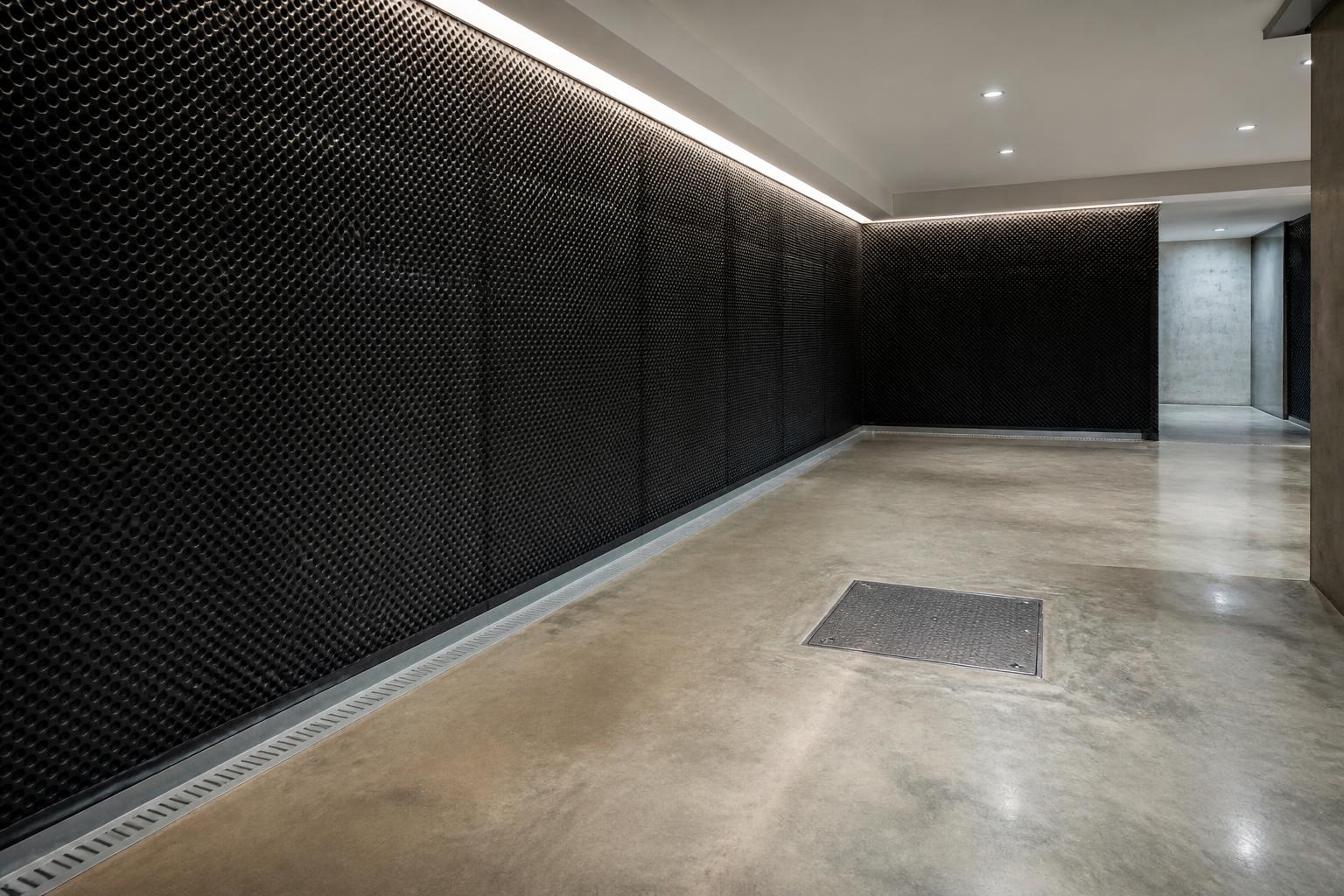
Completed Type-C structural waterproofing to a London basement: cavity drain membrane, perimeter drainage channel and flush sump chamber lid
Twin
Pump systems standard
Delta
Registered Installers
25 yr
Waterproofing warranty
24/7
Alarm & battery back-up
£10M
Insurance cover
Recent work

Recent projects, delivered by UHM.

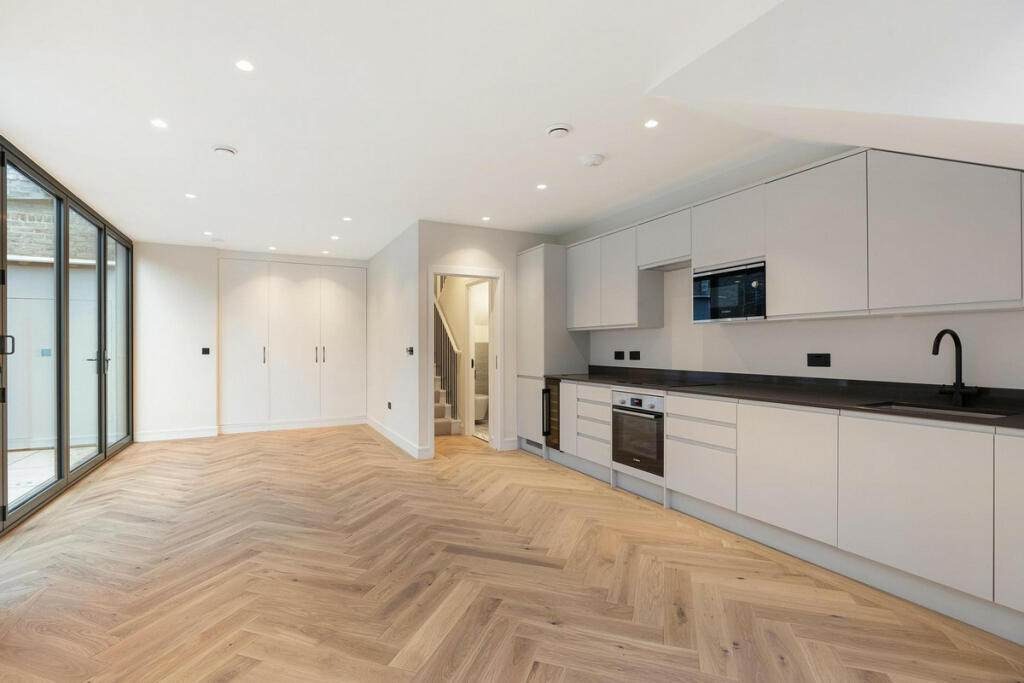
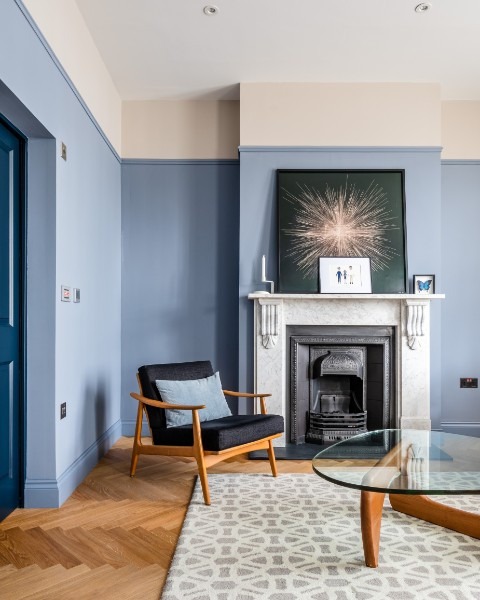
UHM Basements London project 1
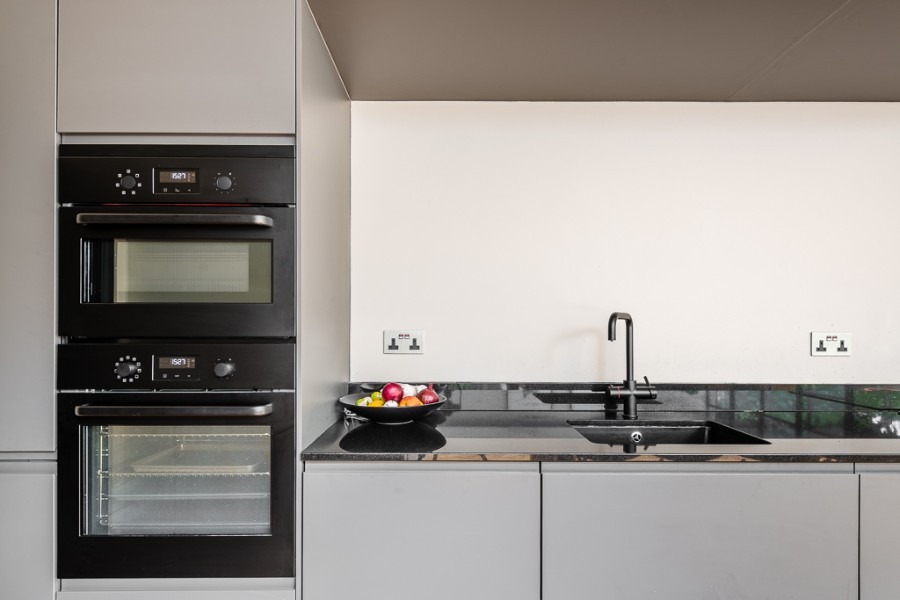
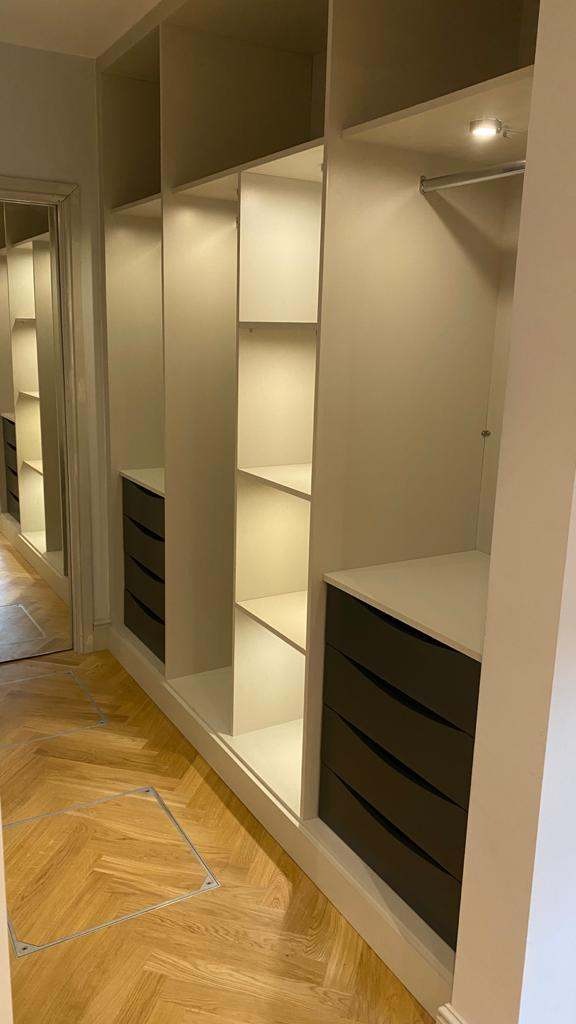
UHM Basements London project 2
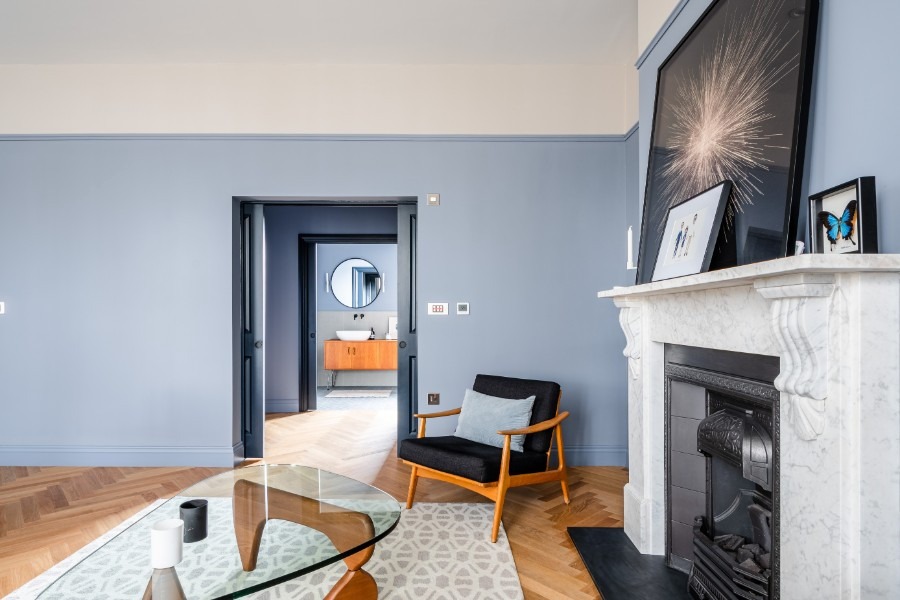
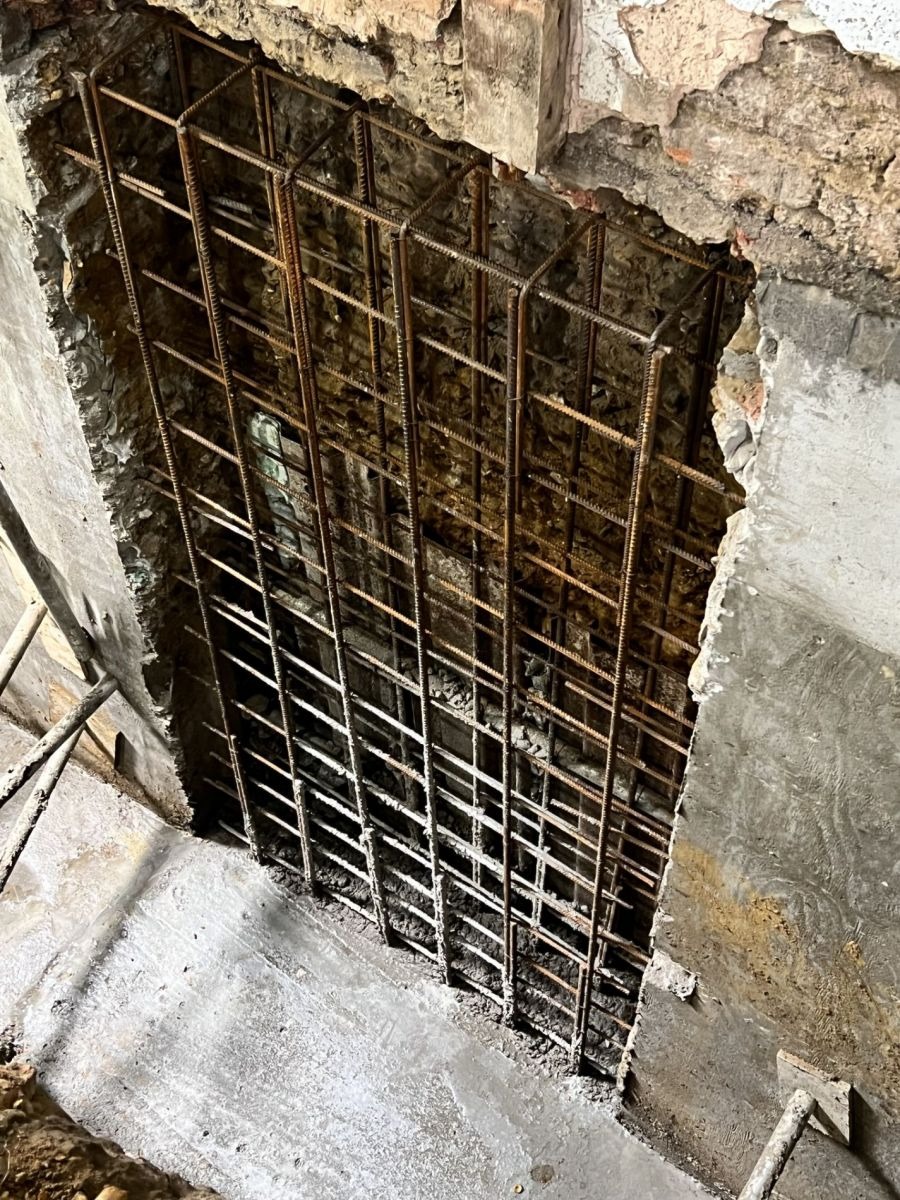
UHM Basements London project 3
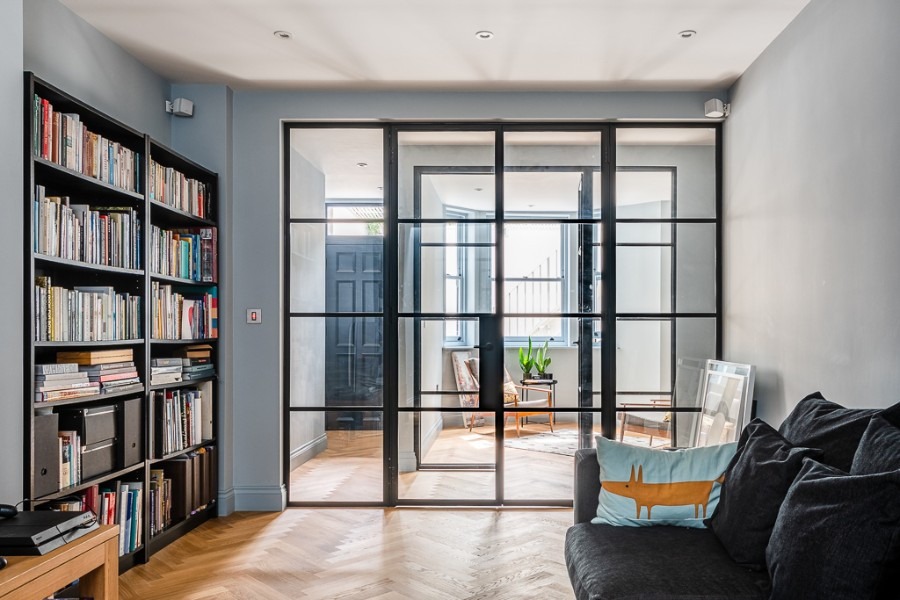
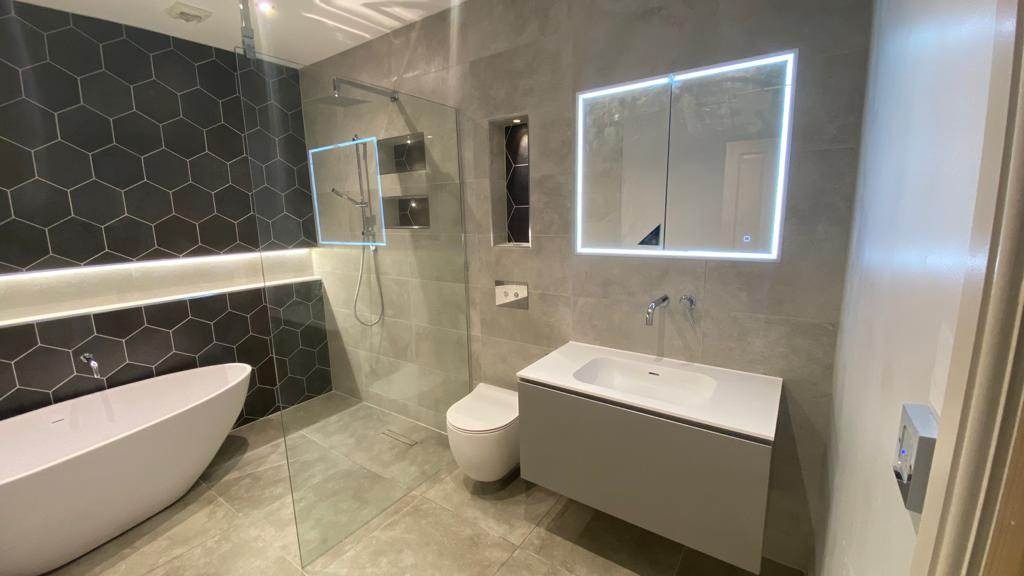
UHM Basements London project 4
UHM Basements London project 5
UHM Basements London project 6
UHM Basements London project 7
UHM Basements London project 8
UHM Basements London project 9
UHM Basements London project 10
UHM Basements London project 11
UHM Basements London project 12
UHM Basements London project 13
UHM Basements London project 14
Service overview

A cavity drainage system is only as reliable as its pump.

The sump and pump are the mechanical parts of your basement waterproofing, the pieces that quietly move water from where it collects to where it leaves the building. Everything else in a Type C system depends on them working. That's why we install twin pumps, battery back-up and audible alarms as standard on every habitable basement.

What it is

The design, installation, commissioning and maintenance of sump chambers and pump systems: twin-pump configurations with automatic failover, battery back-up in mains failure, and audible alarms, as part of a full Type C cavity drainage waterproofing system.

Who it's for

Homeowners with a new basement excavation, an existing basement being brought up to specification, and property owners whose existing single-pump system has failed or been flagged by a surveyor.

When it's needed

During new basement waterproofing (designed in from day one), as an upgrade to a single-pump system, or as an emergency replacement after pump failure.

Why it matters

A single-pump basement is a single point of failure. Every properly designed London basement uses a twin-pump system so that a mechanical, electrical or blockage failure of one pump doesn't flood a habitable floor.

Our process

Structured stages, no shortcuts.

Every UHM project runs through the same structured stages. You'll always know what's happening next, who's doing it and when it completes.

  1. 01

    Design & specification

    Sump location, chamber depth, discharge route and pump specification designed to match the waterproofing system's expected flow rate.

  2. 02

    Chamber installation

    Sump chamber set to correct falls, connected to the perimeter drainage channels of the Type C cavity drainage system.

  3. 03

    Twin pump & alarm fit

    Two pumps installed with automatic failover, audible alarm, and battery back-up unit. Discharge route to soil, storm or highway drain.

  4. 04

    Commissioning & flow test

    Both pumps tested against the design flow, alarms triggered and confirmed, battery back-up verified under simulated power loss.

  5. 05

    Handover & maintenance schedule

    Commissioning report, warranty certificate and annual maintenance schedule handed over in writing.

Technical detail

The components, configuration and testing of a proper pump system.

A basement pump installation is a mechanical system with clearly defined components. Here's what we install and why.

Sump chamber design

The sump is the reservoir that collects water from the perimeter drainage channels. Its size, depth and fall are designed against the volume of water the drainage system may deliver in a peak event.

  • Sized to design catchment and rainfall event
  • Set below finished floor level with covered access
  • Sealed to prevent radon and gas ingress
  • Positioned for future service access

Pump configuration

Twin submersible pumps installed with independent float switches and automatic failover. If pump A fails, pump B takes over and the alarm triggers. Pumps are sized to move design flow with comfortable headroom.

  • Twin submersible pumps as standard
  • Independent float switches
  • Automatic failover on primary pump fault
  • Discharge routed to legal drainage connection

Battery back-up and alarms

Battery back-up units keep pumps running during mains failure. Audible alarms sound on high water level, pump fault or low battery. Remote monitoring add-ons are available for owners who need alerts to a phone.

  • Battery back-up sized to typical outage duration
  • Audible in-house alarm on fault or high level
  • Optional GSM / SMS remote alerts
  • Test button for owner-verified operation

Commissioning and maintenance

Every pump system is commissioned with a documented test: both pumps run under load, failover triggered, alarms proven and back-up verified against a simulated power loss. Annual servicing is recommended and available in-house. Pumps typically service well beyond a decade with proper maintenance.

Why it's worth doing properly

Concrete outcomes, not vague claims.

Twin pumps as standard

Every habitable basement we deliver gets a twin-pump system with automatic failover, because the second pump is the difference between damp and flooded.

Battery back-up on every install

Battery back-up units keep pumps running when mains power cuts, the exact moment they're most needed.

Audible alarms and remote alerts

Standard audible alarms warn of high water level or pump failure. Remote alert options are available for second homes and let-out properties.

Sized to the waterproofing design

Pumps specified against the design flow rate of the Type C cavity drainage system, not a generic default.

Maintenance you can actually book

Annual servicing available with an in-house crew, not a phone number that no one answers when a pump fails.

Silent, invisible, working

A properly commissioned pump system runs for years without needing thought. Which is the point.

The real cost of the wrong contractor

Pumps fail. That's not a maybe, it's a when.

Every pump has a service life. Every impeller collects debris. Every float switch eventually sticks. A basement with one pump and no back-up is a basement that will one day be flooded. The only variable is what's in the room when it happens.

Single pump failure floods a habitable floor

One pump. One float switch. One motor. When any of them fails and there's no back-up, water backs up into the basement. Floor finishes, furniture and joinery become insurance claims.

Power cut during rainfall

London storms cut power. If the pumps stop, and there's no battery back-up, the sump fills faster than it can drain by gravity. A basement doesn't need much to become unusable.

Silent failure over months

Without an audible alarm, a stuck float or a failed pump goes unnoticed until damp appears on skirtings. By then the fix is a strip-out.

Common homeowner mistakes.

  • 01

    Installing a single pump on a habitable basement to save money.

  • 02

    Skipping battery back-up 'because power cuts are rare'.

  • 03

    Fitting a pump without an audible alarm.

  • 04

    Undersizing the pump against the design flow rate.

  • 05

    Ignoring annual servicing after commissioning.

  • 06

    Installing a pump behind finished walls with no access for maintenance.

Frequently asked

Real answers, before you call.

Straight answers we give on almost every free site visit, cost, timeline, guarantees and what's included.

Why do I need two pumps?

A habitable basement is a livable floor. A single pump is a single point of mechanical failure, when it fails, the basement floods. Twin pumps with automatic failover is the industry-recognised standard for habitable London basements and what we install as default.

How much does a sump-and-pump installation cost?

Priced per project: cost depends on chamber size, discharge routing, whether it's a new installation or an upgrade, and the specific pump and alarm equipment specified. Site visits and quotes are always free.

Do the pumps need annual servicing?

Yes: we recommend annual servicing to test pumps, clean sumps, verify battery back-up and prove the alarms. This is available in-house and included in the maintenance schedule handed over at commissioning.

What happens if there's a power cut?

The battery back-up unit takes over automatically and keeps the pumps running. If mains power stays off longer than the battery reserve, the audible alarm triggers to warn the household.

Can I install a sump-and-pump into a completed basement?

Yes, retrofit sump-and-pump installations are possible, usually as part of a Type C cavity drainage retrofit. We survey first and issue a written specification.

What warranty applies to the pump system?

The pump system is delivered under our 25-year waterproofing warranty as Delta Registered Installers, with manufacturer warranties on the individual pumps and back-up units also documented at handover.

How long does a pump installation take?

As part of a new waterproofing installation, it's included in the main programme. As a standalone retrofit or emergency replacement, most jobs complete inside two to three weeks.

Do you provide emergency pump replacement?

Yes: where an existing pump has failed, we can survey and quote a like-for-like or upgraded replacement quickly. Response depends on stock and site access; we're honest about timing.

Book your free site visit

Ready to make your basement mechanically reliable? Twin pumps, back-up, alarms, designed and installed.

A director will visit, review the existing installation or design a fresh system, and issue a written quote, for free. If you already have a working twin-pump setup, we'll tell you.

  • Free site visit
  • Free written quote
  • 25-year warranty
  • £10M insurance
  • Directly-employed team

Or return to the homepage · read about UHM.

Call nowBook a site visit